
Are Cheap Table Saws Worth It?
When it comes to setting up a workshop or tackling home projects, table saws are one of the most essential tools for accurate cutting and professional results. But with so many options on the market, it’s easy to wonder whether budget-friendly table saws can deliver the performance, safety, and durability you need. In this guide, we’ll explore the advantages and limitations of cheaper table saws, helping you make an informed decision before investing.
While high-end professional saws offer features like precise adjustments, robust dust extraction, and long-term reliability, cheaper models often promise similar functionality at a fraction of the price. The key question is whether the compromises made in cheaper saws are acceptable for your projects, skill level, and frequency of use.
Pros and Cons of Cheap Table Saws
Cheap table saws can be appealing because of their lower upfront cost, but it’s important to understand what you gain and what you might be sacrificing.
Advantages
Budget table saws are often suitable for DIYers, hobbyists, or occasional users. Some of the main benefits include:
- Affordability: You can start cutting without a major investment, making these saws accessible to more people.
- Compact and lightweight: Many cheaper models are smaller and easier to store or transport.
- Basic functionality: They still perform the essential cutting tasks like ripping, crosscutting, and bevel cuts for simple projects.
Limitations
However, these savings come with trade-offs. Cheaper saws may have:
- Less precision: The fence, blade alignment, and miter gauge may not be as accurate, which can affect high-precision cuts.
- Lower build quality: Components like the table surface, motor, and trunnion may wear faster under frequent use.
- Limited safety features: Advanced safety systems, such as riving knives, blade guards, or anti-kickback mechanisms, may be basic or missing entirely.
- Noise and dust: Less effective dust collection and louder motors are common in entry-level models.
For casual users or small-scale projects, these drawbacks might be acceptable. But for professionals or frequent users, the limitations can quickly become frustrating.
Who Cheap Table Saws Are Best For
Cheap table saws aren’t designed to replace professional-grade equipment, but they can be ideal for certain users. Understanding who benefits most from these budget models helps avoid frustration and ensures you get value for your money.
DIY Enthusiasts and Hobbyists
If you work on occasional projects around the home, a budget table saw can be more than sufficient. These users typically need a saw for tasks like cutting plywood, trimming timber, or building small furniture. Accuracy and speed are less critical, making the trade-offs in precision and build quality acceptable.
Light or Infrequent Use
Cheap saws are well-suited for projects that are sporadic rather than daily. If you’re not running long sessions or cutting hard timbers frequently, a low-cost model can handle your workload without breaking the bank.
Entry-Level Learning Tool
For beginners looking to learn table saw techniques, a cheaper saw provides a safe and affordable introduction. Users can practice essential skills such as ripping, crosscutting, and bevel adjustments without investing in expensive equipment. Keep in mind that safety features may be limited, so supervision and proper precautions are still necessary.
When Professionals Might Use a Cheap Saw
Even some professionals might keep a low-cost saw as a secondary tool for job site portability or quick, non-critical cuts. However, these saws are generally not recommended as a primary workshop tool for consistent, precision work.
Examples of Budget Table Saws (Not Recommended)
Below are some table saw models currently available at Toolmart that fall into the more affordable price range. We list these here for reference, but we do not recommend them as primary choices for professional or frequent woodworking.
- HiKOKI C10RJ(H1Z) – Table Saw 1500W 254mm Built‑In Stand & Trolley – Includes a built‑in stand and trolley for transport, but remains a budget model with limited professional features.
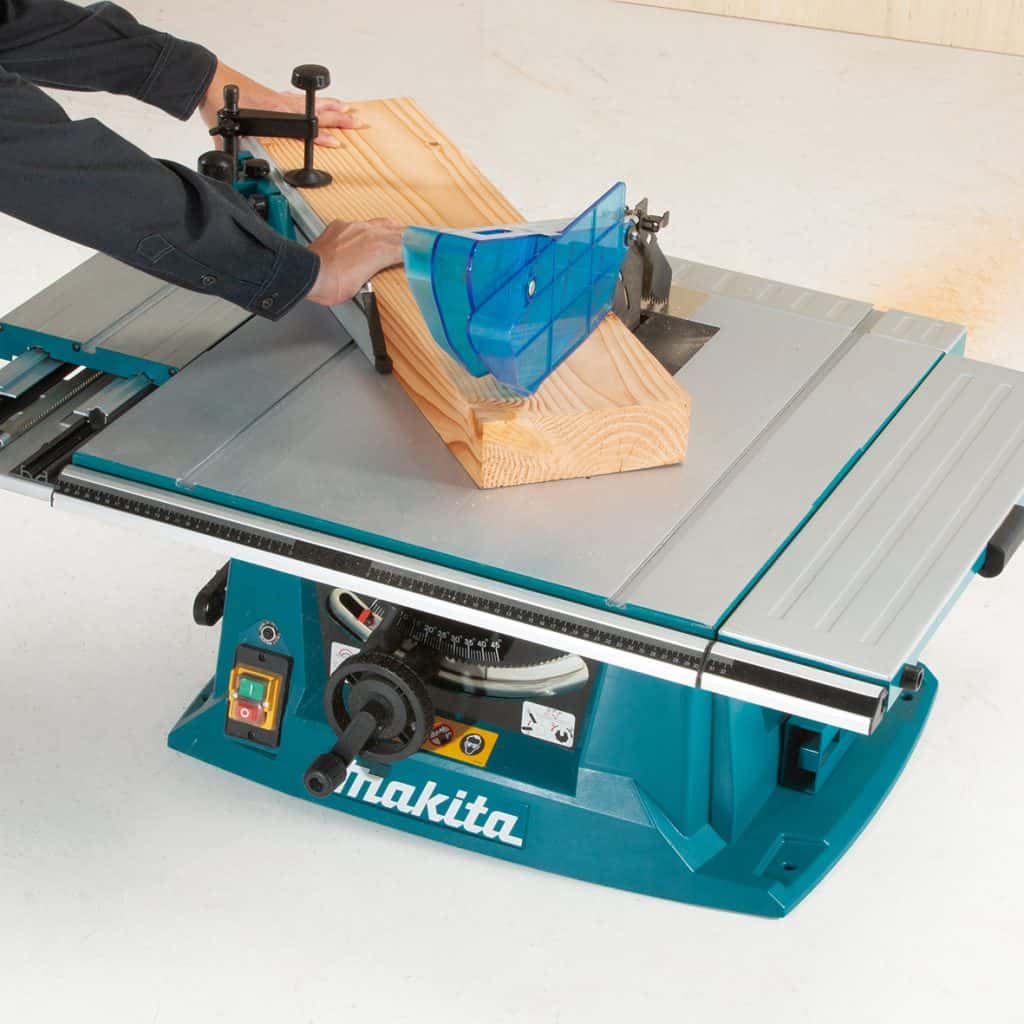
- Makita MLT100N – Table Saw 255mm 1500W – An affordable option with a powerful motor, yet still falls short of professional precision and durability standards.
These saws can be suitable for occasional DIY projects or hobby work, but they lack the build quality, accuracy, and advanced safety features found in professional‑grade saws. When you’re ready, you can add your affiliate links to the highlighted product names for convenience.
Table Saw Safety Tips for First-Time Users
Even the most basic table saw can be dangerous if not used correctly. Following a few essential safety tips will help you avoid accidents and get the best results from your cuts.
Basic Safety Guidelines
Always prioritize safety when using any table saw, including budget models. Key precautions include:
- Wear safety gear: Use safety glasses, hearing protection, and avoid loose clothing or jewelry.
- Check the blade: Ensure the blade is sharp, properly aligned, and suitable for the material you are cutting.
- Use a push stick: Keep your hands away from the blade when ripping narrow boards or pieces of wood.
- Blade guard: Always use the blade guard if your saw has one, even on cheap models.
- Stable work surface: Make sure your saw is on a solid, level surface to prevent tipping or movement.
Proper Operation
Correct operation is just as important as safety gear. Some tips include:
- Feed material steadily: Don’t force the wood through the blade; maintain a consistent speed.
- Support long boards: Use outfeed tables or stands to prevent binding or kickback.
- Keep the area clean: Remove offcuts, dust, and debris regularly to avoid slips or obstruction.
- Stay focused: Avoid distractions and never operate a table saw when tired or under the influence.
Following these precautions ensures that even a budget table saw can be used effectively and safely. Safety should always be your first priority, regardless of the price of the saw.
Conclusion: Are Cheap Table Saws Worth It?
Cheap table saws can be a practical choice for hobbyists, DIY enthusiasts, and occasional users. They provide essential cutting functions at a lower cost and are generally compact and easy to store. However, they come with trade-offs, including reduced precision, lower build quality, and fewer safety features.
For anyone working on frequent or high-precision projects, investing in a professional-grade table saw will save time, improve accuracy, and enhance safety. If your work demands reliability and performance, a higher-end saw is worth the investment.
Next Steps
Looking to explore the best professional options? Check out our detailed guide on Best Professional Table Saws in Australia to see which models offer the ultimate in precision, durability, and performance.
By understanding your needs and choosing the right tool for your projects, you can ensure that your table saw—whether budget or professional—serves you safely and effectively.
Keep Learning About Table Saws
Want to get the most out of your table saw? These guides will help you stay safe, cut with confidence, and make every project more precise:
- Best Professional Table Saws in Australia – Explore top-performing saws with advanced safety and precision features.
- Table Saw Safety Tips for First-Time Users – Learn the habits and techniques that prevent accidents and build confidence.
- Essential Table Saw Accessories for Safety and Accuracy – Discover the tools that make every cut safer and more precise.
Whether you’re just starting out or looking to level up your skills, these guides are your roadmap to a safer, smarter workshop.