
Introduction
Table saws are one of the most powerful and versatile tools in any workshop, but they are also one of the most dangerous if used incorrectly. For first-time users, understanding proper safety practices is just as important as learning how to make accurate cuts.
Many accidents occur not because the saw is faulty, but because basic safety principles are ignored or misunderstood. By developing good habits early, you can significantly reduce the risk of injury while gaining confidence and control when using a table saw.
This guide covers essential table saw safety tips for beginners, focusing on preparation, correct operation, and awareness while cutting.
Understand the Risks Before You Start
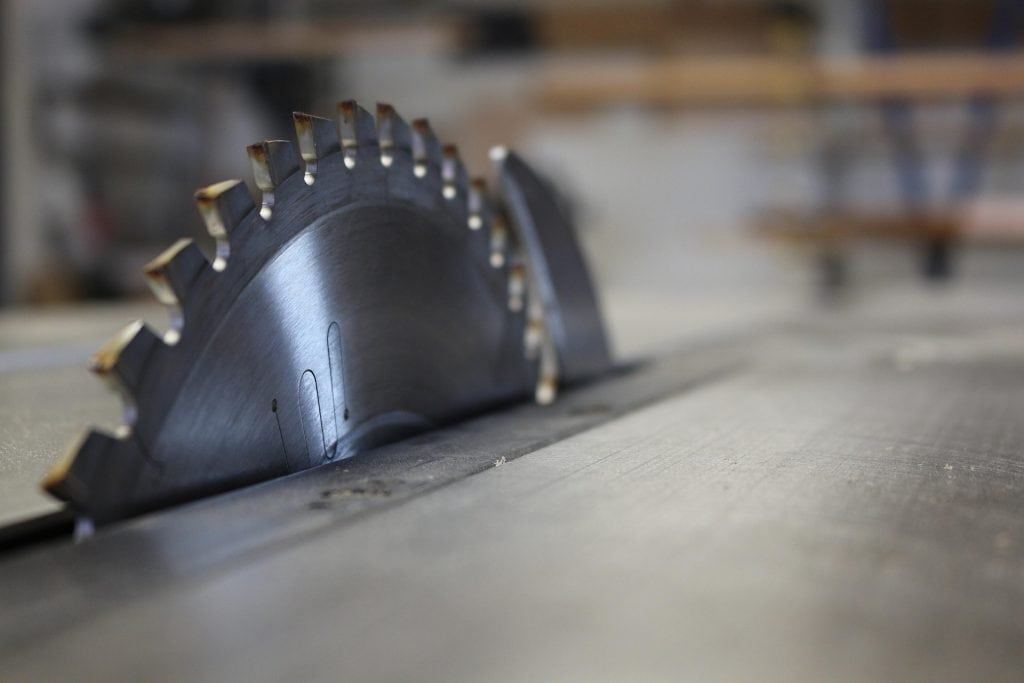
A table saw uses a fast-spinning exposed blade to cut timber and sheet materials. This design makes it extremely efficient, but it also means mistakes can have serious consequences. Kickback, blade contact, and loss of control are the most common causes of injury for inexperienced users.
Kickback occurs when the material binds against the blade and is violently thrown back toward the operator. This can happen in a fraction of a second and often causes hand injuries or loss of balance. Understanding how kickback happens is the first step toward preventing it.
Before turning the saw on, take time to understand where your hands will be, how the material will move through the blade, and where offcuts will exit. Planning the cut is a simple but critical safety habit.
Wear Proper Safety Gear
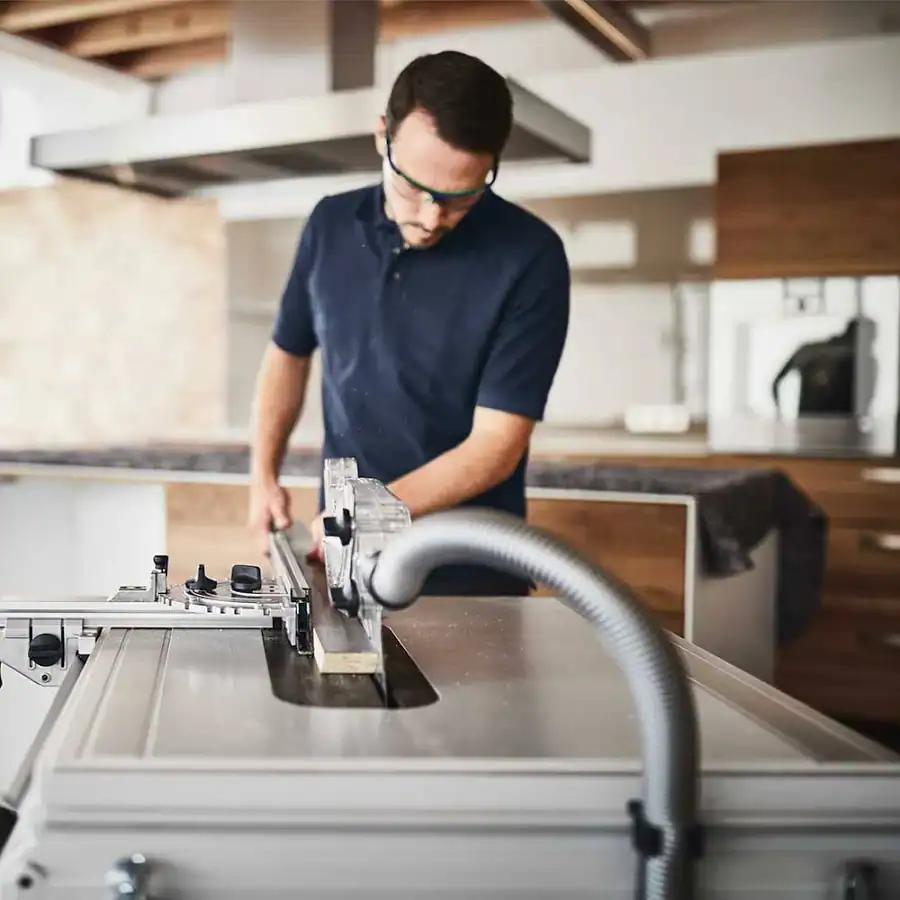
Even the simplest table saw operation can be dangerous without the right safety gear. Always wear:
- Safety glasses or goggles: Protect your eyes from flying chips and dust.
- Hearing protection: Table saws can be loud, and prolonged exposure may damage your hearing.
- Appropriate clothing: Avoid loose clothing, long sleeves, or dangling jewelry that could catch in the blade.
- Non-slip footwear: Ensures stability while operating the saw and moving around the workshop.
Wearing the right PPE is a simple step that dramatically reduces the risk of serious injury.
Inspect the Table Saw Before Each Use
Before starting any cut, check your table saw thoroughly. Some essential checks include:
- Blade condition: Make sure the blade is sharp, clean, and free of damage.
- Blade alignment: Ensure the blade is properly aligned with the fence and miter gauge for accurate cuts.
- Safety components: Confirm the riving knife, blade guard, and anti-kickback pawls (if fitted) are in place and functioning correctly.
- Power and cord: Inspect for frayed wires or loose connections.
- Work surface: Make sure the tabletop is clear of debris and the saw is on a stable surface.
Taking a few minutes to inspect your equipment prevents avoidable accidents and ensures smoother operation.
Feed Material Steadily and Safely
How you handle the workpiece is just as important as wearing the right gear. Follow these tips:
- Steady feed: Push the wood through the blade at a consistent speed. Do not force it.
- Use a push stick: Keep your hands safely away from the blade, especially when cutting narrow boards.
- Maintain balance: Stand to the side of the blade, not directly behind it, to avoid kickback injuries.
- Support long pieces: Use outfeed tables or roller stands to prevent binding, tipping, or inaccurate cuts.
Controlled handling reduces the risk of kickback and ensures smoother, safer cuts.
Maintain a Clean Work Area
A cluttered workspace is a dangerous workspace. Keep your area tidy by:
- Removing offcuts: Sweep up scraps, chips, and debris regularly to prevent slips and obstructions.
- Managing dust: Connect your table saw to a dust extractor if possible, or frequently clear dust manually.
- Organizing tools: Keep measuring tools, clamps, and other equipment in designated spots for easy access.
A clean, organized workspace minimizes accidents and allows for smoother, more accurate cutting.
Stay Focused and Avoid Distractions
Table saws can be unforgiving, so focus is critical. Key points for first-time users include:
- Avoid multitasking: Never operate a table saw while distracted by phones, conversation, or other tasks.
- Limit fatigue: Only work when alert. Tiredness increases the risk of mistakes and accidents.
- Plan your cuts: Think through each cut before starting to ensure safe and accurate operation.
Developing focus and safe habits from the start will prevent most common table saw injuries.
Conclusion: Table Saw Safety Tips for First-Time Users
Even on budget or entry-level table saws, safety should always come first. Using personal protective equipment, proper handling techniques, a clean workspace, and focus ensures your first experiences are safe and productive.
Remember, mistakes happen when safety and focus are ignored. Start with small, controlled cuts and gradually build your confidence and skill.
Next Steps
Keep Learning About Table Saws
Want to get the most out of your table saw? These guides will help you stay safe, cut with confidence, and make every project more precise:
- Best Professional Table Saws in Australia – Explore top-performing saws with advanced safety and precision features.
- Are Cheap Table Saws Worth It? – See which budget-friendly options are safe and reliable for beginners.
- Essential Table Saw Accessories for Safety and Accuracy – Discover the tools that make every cut safer and more precise.
Whether you’re just starting out or looking to level up your skills, these guides are your roadmap to a safer, smarter workshop.